Pictures were stacking up, and now some solution had to be found to process them further into films, and to remove as much of the extraneous motion as possible.
Up until now I had been using FFmpeg to assemble image sequences into films. Documentation is very poor, but something can be made to work at times without pixellating the whole result. Read more…
Polynesians arrived in New Zealand in the course of the 14th century. They were part of the last great Polynesian expansion which started somewhere around the Cook Islands and led to the establishment of populations in the Eastern Pacific (Easter Island), the North-East (Hawaii), and the South-West. Read more…
Science changes people’s minds because it works. Show me some homeopathy that works, some astrology, some psychic power, and I’ll have no problem with it.
At the beginning of 2014 Nature published a paper that claimed to have simplified the process of producing stem cells to the point that only a slightly acidic solution and some pressure was necessary. Now if that worked it would have been a revolution in producing stem cells because no longer would expensive and toxic chemicals be required. It required no psychic to predict that if it worked anyone which wanted to produce stem cells would be doing so in short notice. But guess what? Do you see school biology classes happily turning out stem cells? No? Why not? Can’t remember Big Pharma stepping in and forbidding it because their expensive chemicals had become obsolete. You don’t see it because it doesn’t work. Read more…
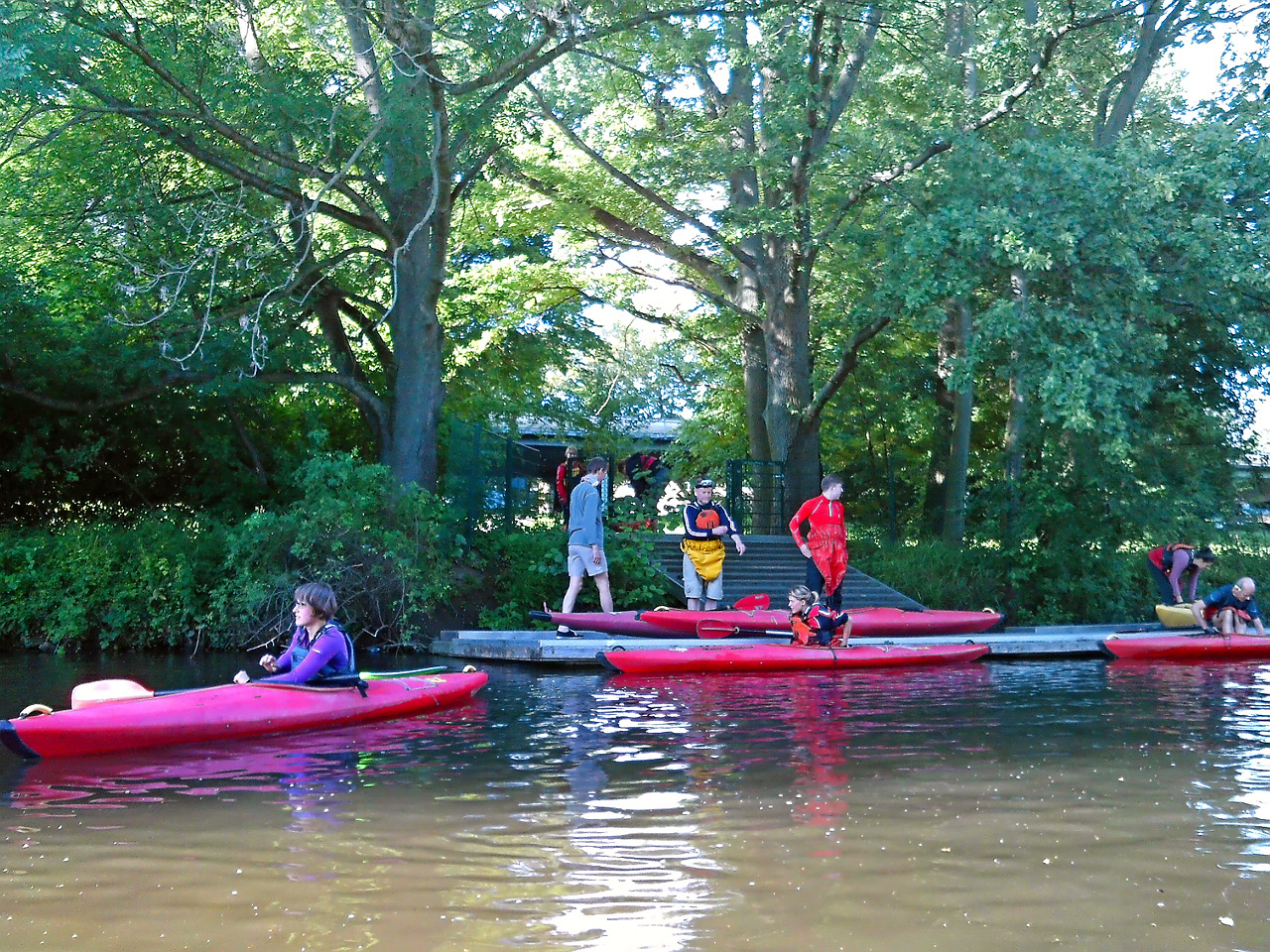
After getting the kayaking under control, the next question that arose was, “How to photograph it?” I felt reminded a little of what Matt from Christchurch had said about horse riding and how it enhances viewing the countryside because you are no longer forced to look at the ground for most of the time. The horse is taking care of that. Now kayaking offers a very different landscape than most hiking because of the lack of obstacles. Nor do you really have to care where to place the paddle, and the view is mostly directed forward to the goal. True, sitting on a river means that you are at the lowest point on the landscape and much of the lower view is obstructed by the bank. But even banks can be pleasant to look at. Read more…
New Zealand is regarded as one of the most democratic government systems in the world, and is based on the Westminster system of a head of state (the Queen, represented by the Governor-General), a head of government (the Prime Minister), and the trio of legislature, administration and judiciary. What puts New Zealand ahead of the rest, is the development of the political system over the last century, which has allowed it to address the needs of a multicultural society, while minimising cultural biases at the same time. Read more…
The key to an effective scientific presentation is having the audience think along with you, and that is really just the essence of interest. You need to be able to get the interest of a fair-sized audience possibly by establishing your expertise, but this initial interest is an advance payment by the audience and therefore needs to be repaid in the course of the presentation with some way of thinking about a problem that the audience is not only familiar with by the end of the lecture but are themselves also in a position to apply. Read more…
And yes, the land had to be conquered as well. After having struggled for so long to try to find what remains of the Weser Path between Porta Westfalica and Bremen, I went through all the stages in the early part of the year, but this time from north to south. Not many signs left, so I will have to see about publishing the results sometime. Read more…
New Zealand English is essentially the English somebody forgot to take out of their back pocket before putting their jeans through the laundry.
—Hamish Ritchie
Australian English is essentially Cockney without the refinement.
—Öjevind Lång
(https://ccil.org/~cowan/essential.html#English_Specific_Varieties, November 20, 2014)
Although National Geographic seems to have difficulty distinguishing Australian from New Zealand English, it would be doing both dialects a disservice to lump them in one pot together. Yes, yes, I know there are people who cannot reliably hear the differences between the major dialects of North America, either, or of the British Isles for that matter, but let’s have a look at what makes New Zealand English unique. Read more…
When the facts alone don’t change people’s minds, and even presenting them in a favourable light is not likely to be effective, what else are we left with? We could try the following:
1) Giving people the right analogy, metaphor, figure of speech (another of Lakoff’s brain children). Read more…
There is historical evidence for the use of kayaks from the tour of 1974/75, although in my naïveté I called them “canoes” or “dinghies” at the time. The diary entry for Tuesday, January 7, 1975 at Blackwood Bay commences:
“I slept in again, and later went out on a canoe.”
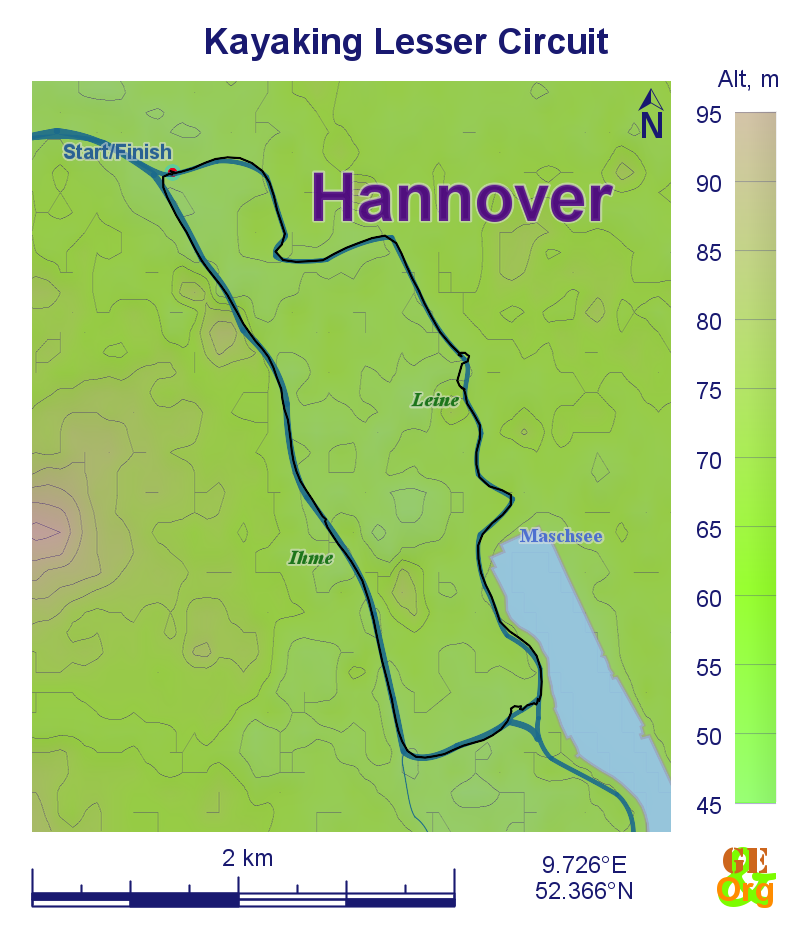
Lesser Circuit, September 13I say this because I had booked myself into the uni sports’ flat water paddling group, turned up on time, was given a boat, and then proceeded to make myself into a best example of the Dunning-Kruger effect. After a little more than 100 m of floundering about, I was ordered into the Canadian canoe that is reserved for the less skilled. But in the second week in the Canadian, I met Conny, so it wasn’t all that bad. She basically gave me a rundown of her life so far, which included a stint at Monash, as well as Russia and Japan, and my diary of the following night only had one topic. Read more…