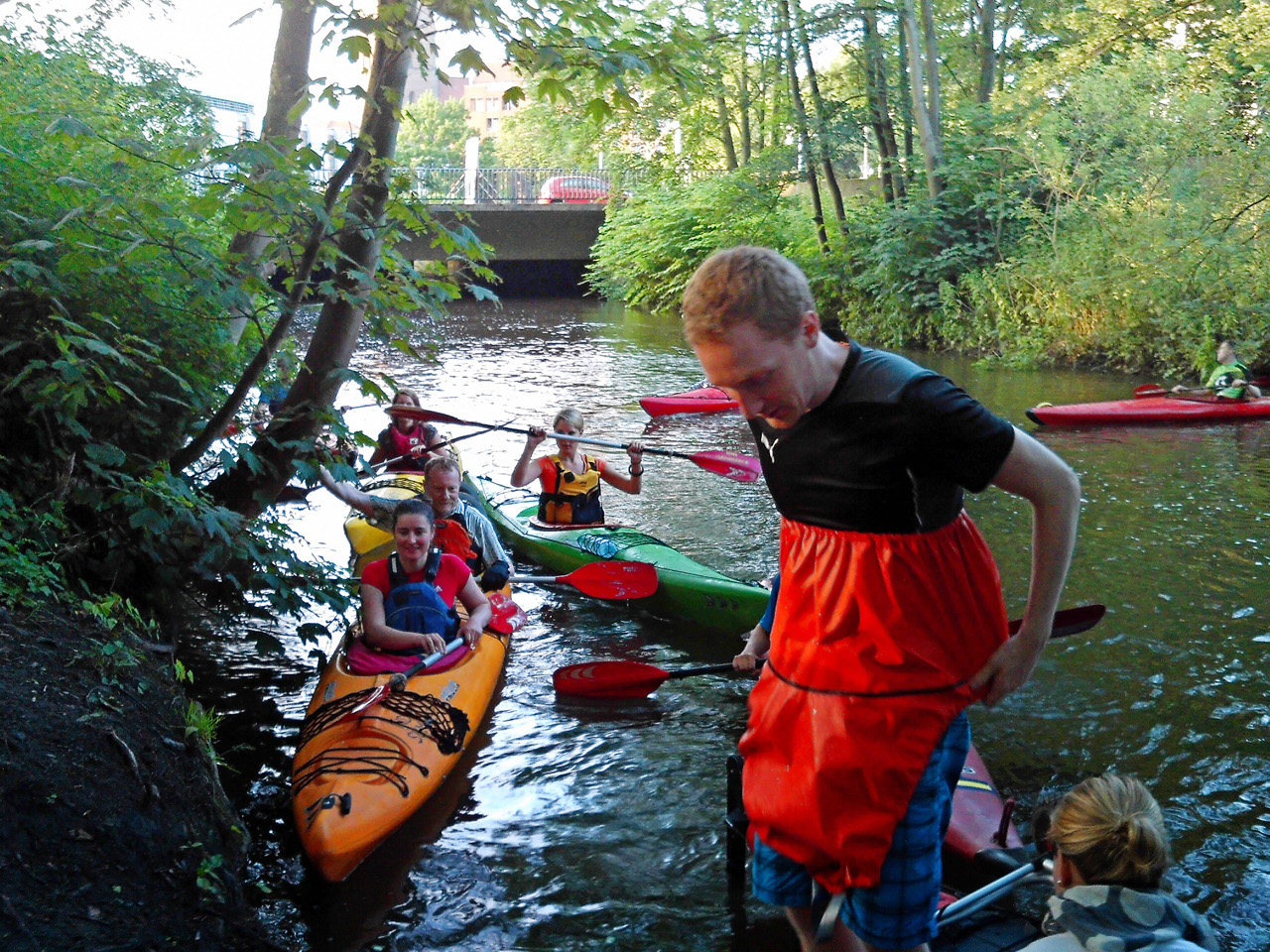
There is historical evidence for the use of kayaks from the tour of 1974/75, although in my naïveté I called them “canoes” or “dinghies” at the time. The diary entry for Tuesday, January 7, 1975 at Blackwood Bay commences:
“I slept in again, and later went out on a canoe.”
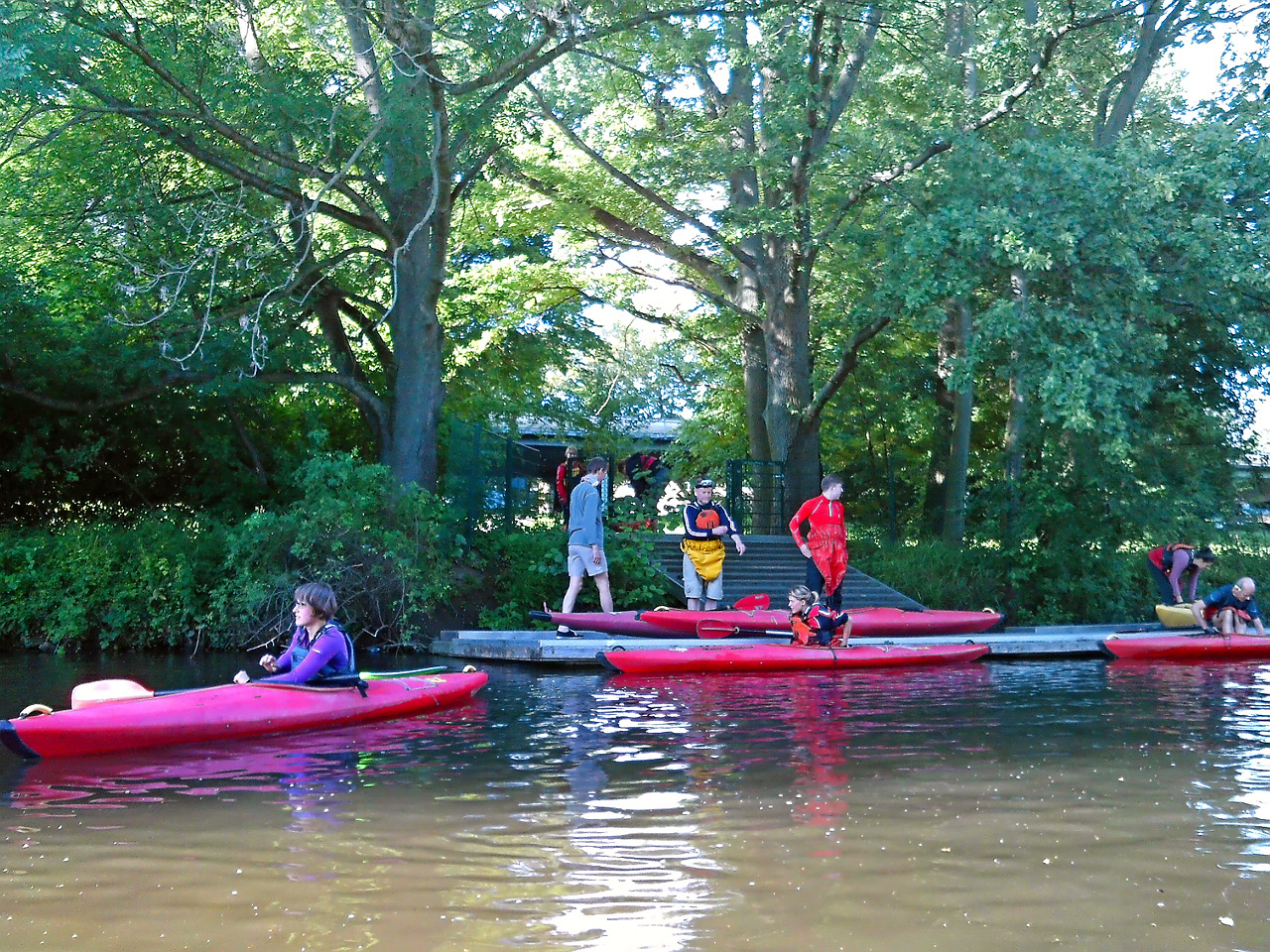
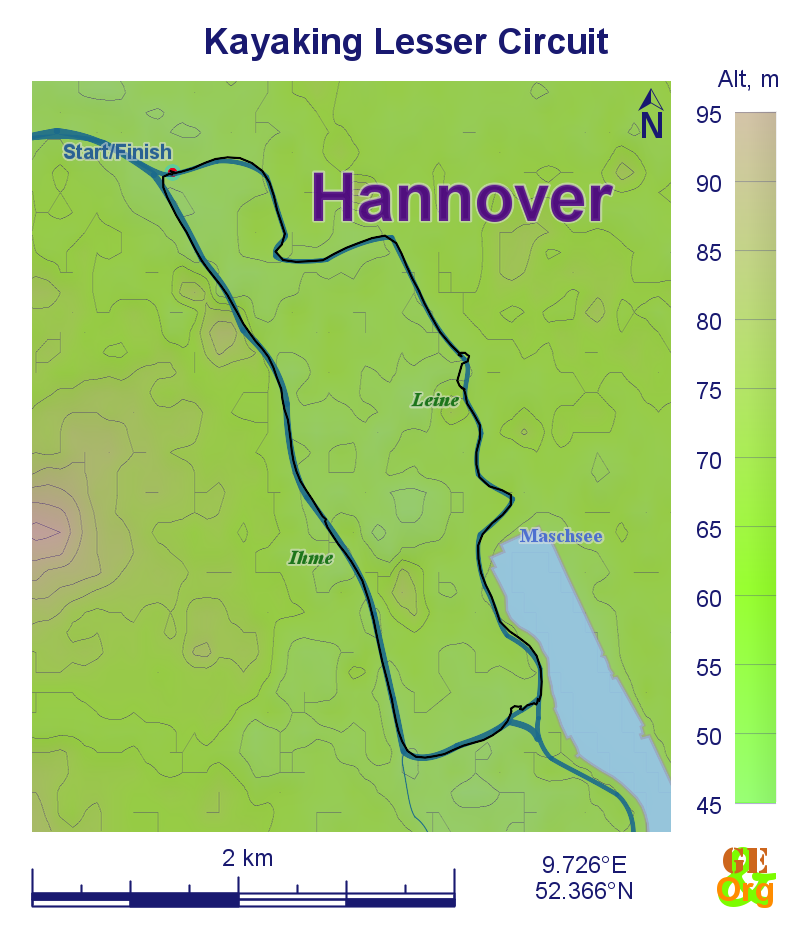
Lesser Circuit, September 13I say this because I had booked myself into the uni sports’ flat water paddling group, turned up on time, was given a boat, and then proceeded to make myself into a best example of the Dunning-Kruger effect. After a little more than 100 m of floundering about, I was ordered into the Canadian canoe that is reserved for the less skilled. But in the second week in the Canadian, I met Conny, so it wasn’t all that bad. She basically gave me a rundown of her life so far, which included a stint at Monash, as well as Russia and Japan, and my diary of the following night only had one topic.
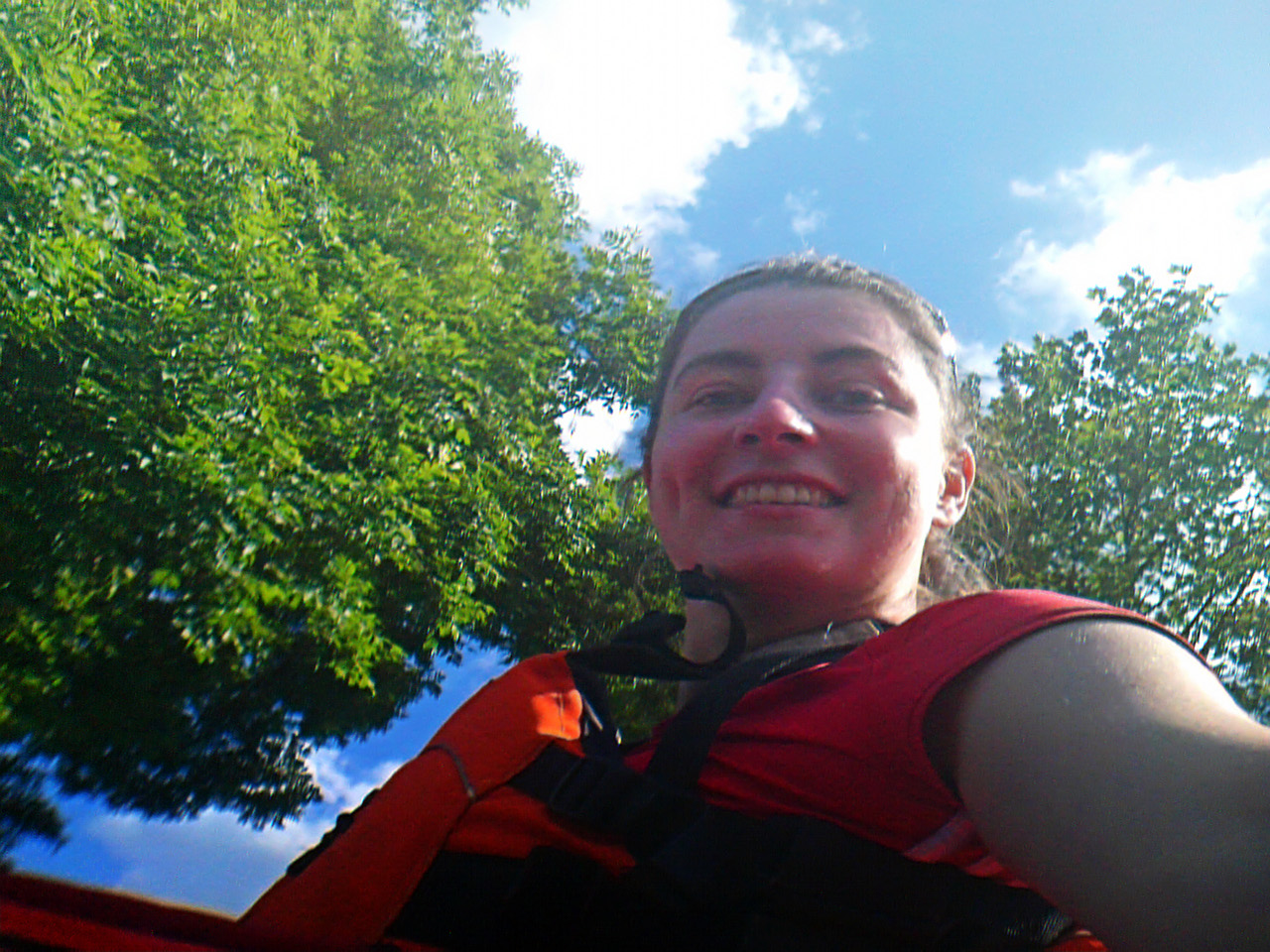
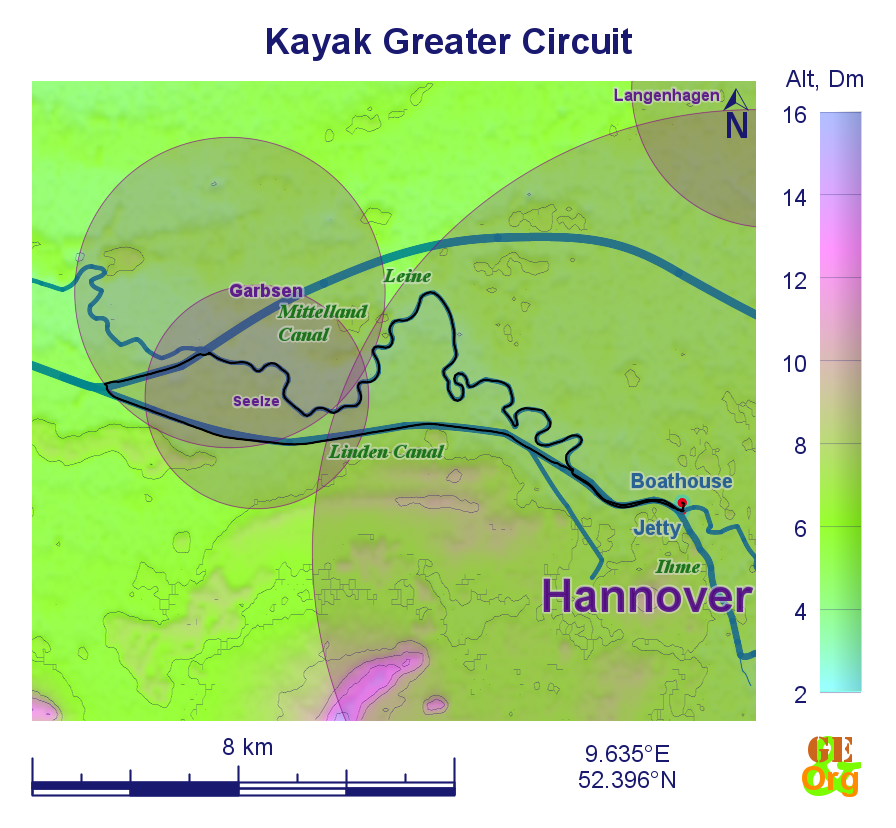
Greater Circuit, June 15, 2014One night I asked Conny if we could take a double kayak together, and to my surprise she agreed, so that we have been partners in kayak ever since. When Conny was out skating or was on her summer programme, I took on a student, Julia, who barely made a dent on a pair of scales, and was not much help in moving forward, and on other times I have taken a solo boat on the course. Eventually we also made it around the Greater Circuit (Leine River to Garbsen, and back along the canal system, 32 km) twice in the course of the summer, although the distance is a little misleading: The first 18 km are downriver at speeds of up to 11 km/h, and the rest is very flat with little current to paddle against. But lots of blackberries to be harvested.
The aim was to be fit enough to absolve the Whanganui River Journey, the only Great Walk that is not a tramp, estimated at 150 km downriver in 5 days. Progress in the training period was pretty linear, starting with 2.8 km/h in the Canadian, reaching about 4.2 km/h by the end of the semester, and finally almost walking speed of 5.6 km/h at the end of the summer break. Unfortunately the week-long summer tour was right in the semester which precluded me from going, but not Conny, as she is in research. Also unfortunate was that the autumn tour failed to materialise, possibly because only the two of us wanted to go. But practice there was enough.
It’s hard to let go. Even after the end of the “official” season in September, the weekend tours continued on almost as far as they could, rounded out with a slide night and a Xmas party. Travelling by water has one serious limitation, and that is 0°C. There are no ice-breaker kayaks. On the second last trip, the day’s temperature range was 1.6°/0.1°. And that’s about as far as it goes.
It was, however, also an opportunity for me to see the uni sports centre in full action. When I walk past during the day, it seems rather sleepy, but returning from the kayak tour in the later evening, all the gyms are full of sweaty students prancing about, a different loud music emanating from every room.